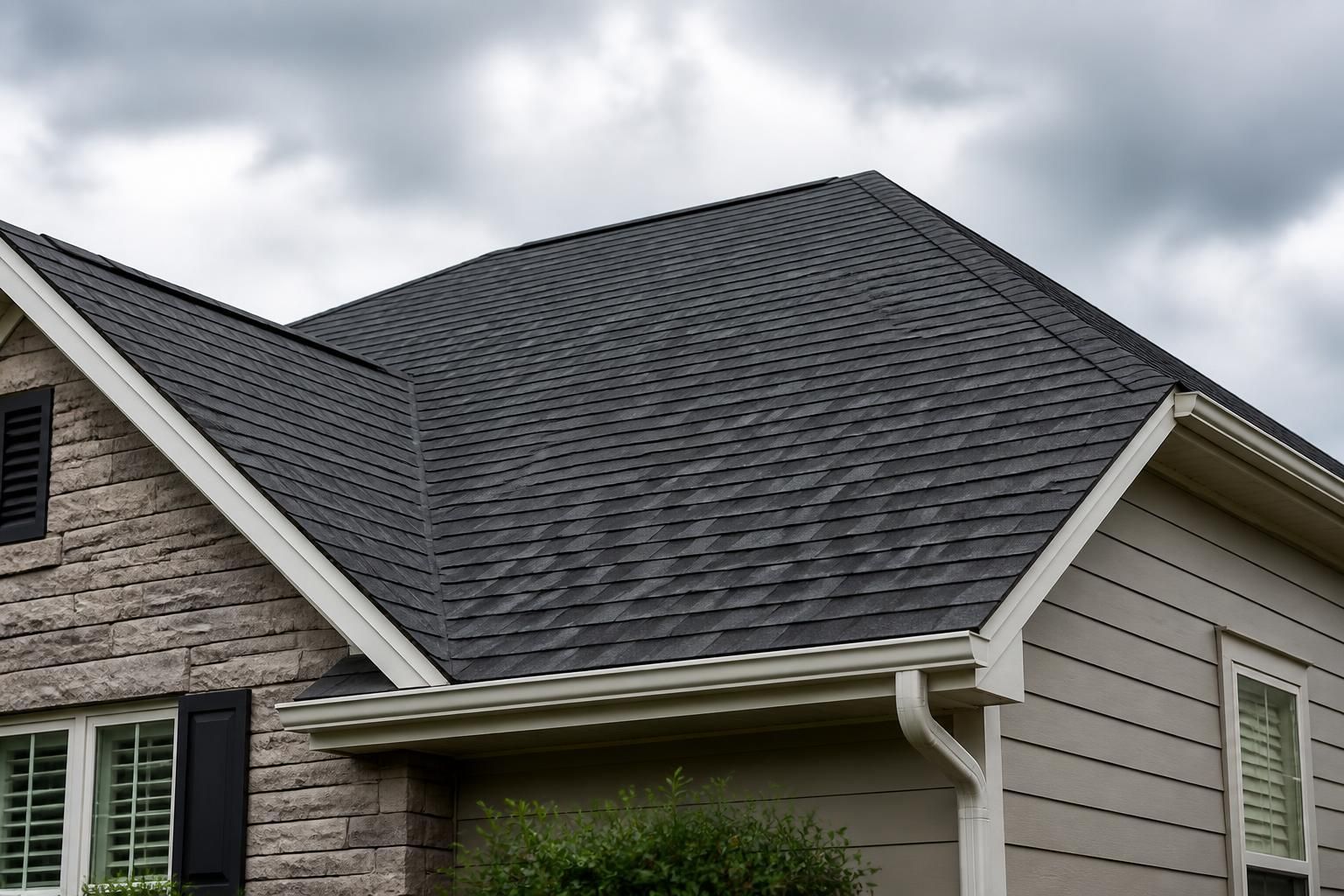
Missing shingles, dented flashing, loose gutters, or water spots after a storm can turn a normal roof into a real concern fast. If you are seeing lifted edges, scattered debris, or new stains on ceilings and walls, your roof may need a closer look before the damage spreads.
Ridgeline Roofing Co. helps Denver homeowners assess storm impact, document what changed, and make a clear repair plan. We look for visible surface damage, hidden trouble around seams and penetrations, and signs that the roof needs repair, replacement, or temporary protection after a weather event.
Storm damage signs
Some roof problems are easy to spot from the ground, while others show up later as leaks or drafts. After hail, wind, or heavy rain, check for changes that were not there before.
- Granules collecting near downspouts or at the base of the home
- Lifted, curled, cracked, or missing shingles
- Dented vents, flashing, or gutters
- Water stains on ceilings, upper walls, or attic framing
- Loose debris near the roof edge or in the yard
- Soft spots, visible gaps, or shingles that no longer lie flat
Even when the roof looks mostly intact, storms can weaken seals and exposed edges. Small damage often leads to larger repairs if it is left alone through the next round of weather.
What we inspect
A storm can affect more than the roof surface. We look at the full area that helps keep water out and directs runoff away from the house.
Roof surface
We check shingles, metal panels, flat-roof areas, and other exposed materials for impact marks, displaced pieces, lifted edges, and wear that appeared after the storm.
Trim and flashing
Flashing around chimneys, vents, skylights, walls, and edges can loosen during high wind or take a hit from flying debris. These details often explain where a leak started.
Drainage points
Gutters, downspouts, and roof edges matter because storm water must move off the roof cleanly. If these pieces are bent or blocked, water can back up and find weak spots.
How repairs begin
Ridgeline Roofing Co. starts with a straightforward assessment so you know what happened and what should be done next. We do not push broad fixes when a smaller repair will solve the problem.
- Review the damage
We inspect the visible problem areas and the related sections around them so the repair plan matches the actual damage pattern.
- Explain the findings
We describe what needs attention, what appears stable, and whether temporary protection or a larger repair makes sense.
- Set the repair scope
We outline the materials and labor involved so you can understand the work before it starts.
- Complete the repair
We replace damaged pieces, secure loose areas, and restore the roof details that were affected by the storm.
That process keeps the work focused and avoids guesswork when the roof has several problem spots.
Repair options
Storm damage does not always look the same from one home to the next. The right fix depends on how much of the roof was affected and which materials were hit.
- Shingle repair for cracked, lifted, or missing sections after wind or hail
- Metal roof repair for dents, loosened seams, or damaged attachment points
- Flat-roof repair for punctures, membrane issues, and ponding-related concerns
- Flashing repair around vents, chimneys, skylights, and edges
- Gutter work when storm impact affects runoff and drainage
- Temporary tarping when a damaged area needs short-term protection before full repair
If the damage is limited, a targeted repair may be enough. If the roof has widespread wear or repeated storm impact, replacement may be the more practical path. We explain both clearly when that becomes the case.
After the storm
What you do right after a storm can help limit further damage. A careful response also makes it easier to understand what changed.
What to save
Keep any photos of the roof, gutters, siding, ceilings, or attic areas that changed after the storm. If shingles or debris landed on the ground, those details can be useful during the review.
What to avoid
Do not climb onto the roof to look around. Damaged surfaces can be slippery or unstable, and small problems are easy to miss from up close without the right angle.
What to watch
Keep an eye on stains, musty smells, drips, or new marks around vents and wall edges. These can point to a roof opening that was not obvious at first glance.
Denver weather fit
Storm repair work has to match the conditions a roof faces over time, not just the damage from one day. Ridgeline Roofing Co. recommends materials and repair methods that fit Denver weather patterns and the roof’s existing design.
That means paying attention to exposed edges, drainage, flashing detail, and the way different roof sections meet. A repair that looks clean but ignores the weak spot will not hold up as well as one that addresses the full problem area.
We also consider how the repair will blend with the surrounding roof so the finished work is practical and consistent with the rest of the system.
Why homeowners call us
Storm damage can feel confusing because the visible signs are not always the whole story. Ridgeline Roofing Co. helps narrow it down with clear observations, plain recommendations, and work that respects your home.
Homeowners often contact us when they want a direct answer about whether a roof can be repaired or needs a wider fix. We focus on what is damaged, what is still sound, and what should be addressed before the next storm rolls through.
That approach is especially useful when there are several small issues at once, such as shingle movement, bent gutters, and a suspicious ceiling stain that all seem tied to the same weather event.
Common questions
How do I know storm damage is roof-related?
Look for changes that began right after the weather event, such as missing shingles, bent flashing, new leaks, or granules near downspouts. If the pattern lines up with the storm, the roof should be checked.
Can small roof damage wait?
Small damage can sometimes seem harmless at first, but lifted shingles or loosened flashing can let water move under the roof surface. A quick review helps you decide whether waiting is reasonable.
Do all storm repairs require replacement?
No. Many roofs only need targeted repairs to damaged sections, flashing, or gutters. Replacement becomes a better option when the damage is widespread or the roof has repeated wear.
What if I only see stains inside?
Interior stains often point to roof trouble even when the outside looks minor. Water can travel before it shows up inside, so a roof inspection is the next step.
Can storm damage affect gutters too?
Yes. Wind and impact can bend gutters, loosen attachments, or change how water leaves the roof. That can create overflow or push water toward areas that should stay dry.
What should I do before the inspection?
Take photos of the roof, yard, and any interior signs you noticed, then note when the storm passed and what changed afterward. That helps us connect the damage to the event more clearly.
Book a roof review
If your roof took a hit, Ridgeline Roofing Co. can review the damage and explain the next move without confusion. We help Denver homeowners get from storm aftermath to a practical repair plan with clear communication and careful work.
For storm damage repair support, contact us at +13035550102 or hello@ridgelineroofing.example. We are based in Denver, CO and serve nearby communities including Aurora, Lakewood, Arvada, Westminster, Centennial, Thornton, Englewood, Littleton, and Commerce City.
 Google Reviews