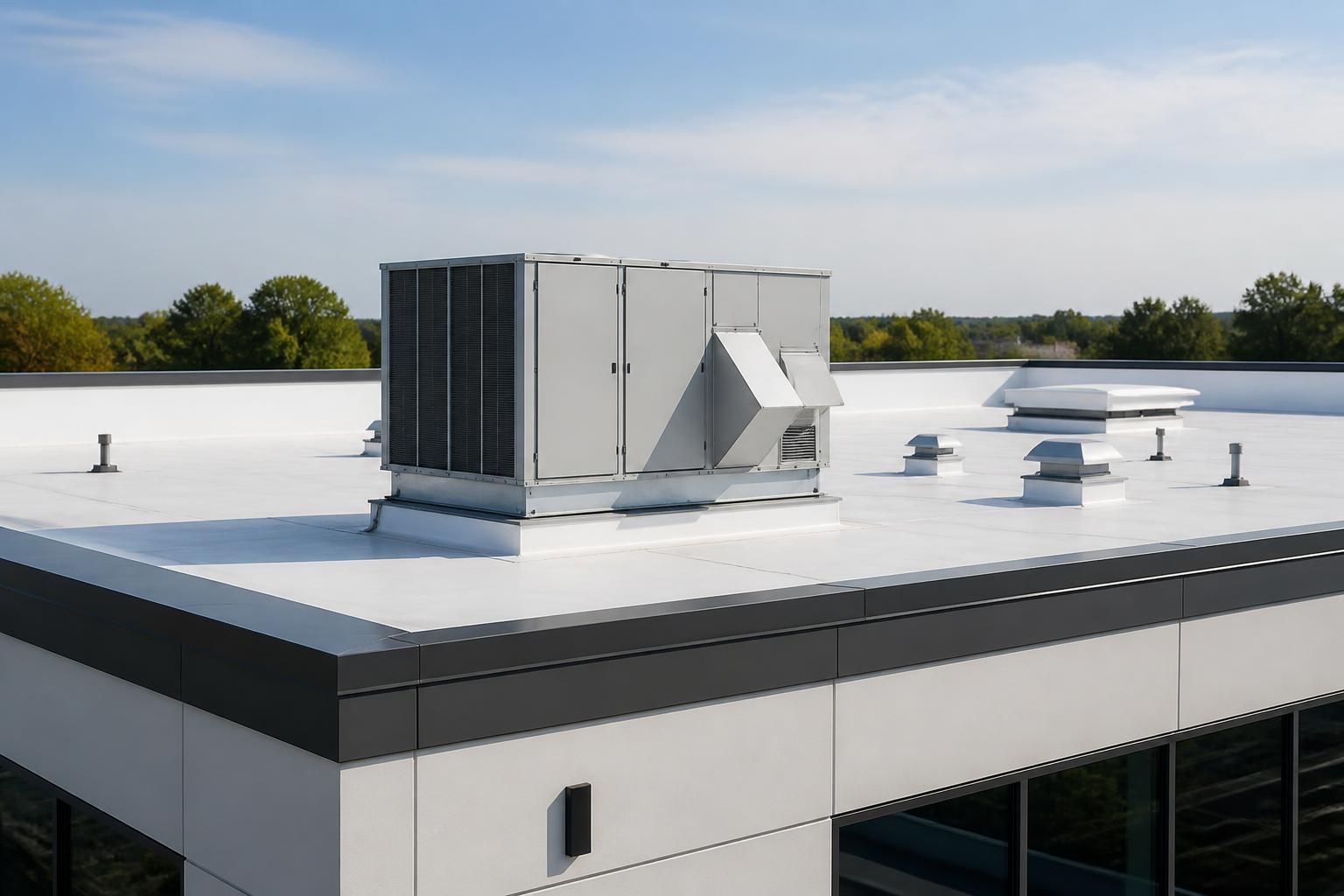
A commercial roof that starts to leak rarely announces itself all at once. You may notice a stain on a ceiling tile, damp insulation near a parapet, loose flashing after a storm, or a flat section that seems to hold water longer than it should. Small signs like these can point to larger trouble above the work area, stockroom, or tenant space.
Ridgeline Roofing Co. helps property owners and managers address those warning signs with clear assessments, practical repair options, and durable roof work suited to Denver, CO conditions. If your building needs a focused inspection, a section repair, a replacement plan, or help after storm damage, we can look over the roof, explain what matters most, and outline the next step without burying you in jargon.
Roof concerns to watch
Commercial roofs often show stress long before they fail. The challenge is knowing which signs are cosmetic and which ones deserve attention now. Water does not always enter at the spot where it appears indoors, so visible damage on the ceiling can trace back to seams, flashing, drains, edges, or penetrations on the roof surface.
When we inspect a commercial roof, we look for patterns that suggest wear, movement, or water entry points. That helps turn a vague concern into a focused repair plan instead of guesswork.
- Interior staining near offices, storage rooms, or shared spaces
- Blistering or cracking across roof surfaces or membrane areas
- Loose flashing around edges, walls, vents, or rooftop equipment
- Standing water that remains after normal drainage time
- Debris buildup that can block water paths and hide damage
- Visible wear at seams, transitions, and repair patches
Those signs do not always mean the same fix. Some roofs need a targeted repair, while others need a broader replacement plan that addresses repeated trouble points.
Inspection focus
A commercial roof inspection should do more than confirm that something looks worn. It should answer what is happening, where it is happening, and what should happen next. That is especially important for buildings with flat or low-slope roofing, where small defects can spread across a larger surface area.
Surface review
We check the roof field for wear, punctures, seam separation, and patch areas that may no longer be holding up as intended. The goal is to find whether damage is isolated or part of a broader pattern.
Edge details
Flashing, terminations, and perimeter areas are common weak points. These details must manage movement and weather exposure while staying sealed against water entry.
Drainage points
Drains, scuppers, and slope transitions matter on commercial roofs because water should have a clear path off the surface. If those areas are blocked or stressed, ponding and extra wear can follow.
After the inspection, we share a straightforward summary so you can decide whether to repair, replace, or keep monitoring the roof with a plan.
Repair options
Not every commercial roof needs a full replacement. When the damaged area is limited, a repair can extend the roof’s useful life and help protect the building while keeping the work focused where it matters most.
- Leak tracing
We look for the most likely entry points rather than chasing the stain alone. That keeps the repair focused on the source, not just the symptom.
- Seam and flashing repair
Open seams and loose flashing can let water travel beneath the roof surface. Addressing those weak points early can prevent wider damage.
- Patch replacement
If a prior patch has broken down or a section has failed, we can replace that area with a more reliable repair approach based on what the roof needs.
- Penetration sealing
Vents, curbs, and rooftop equipment areas deserve close attention because they often combine movement, exposure, and multiple joints.
When we recommend a repair, the aim is to solve the actual problem without overselling work the roof does not need.
Replacement planning
Some roofs reach a point where repairs no longer make sense as the main strategy. Repeated leaks, widespread wear, or multiple failing areas can make replacement the more practical choice. A replacement plan should be clear about the current condition, the scope of work, and the order of installation so building operations can be arranged around it.
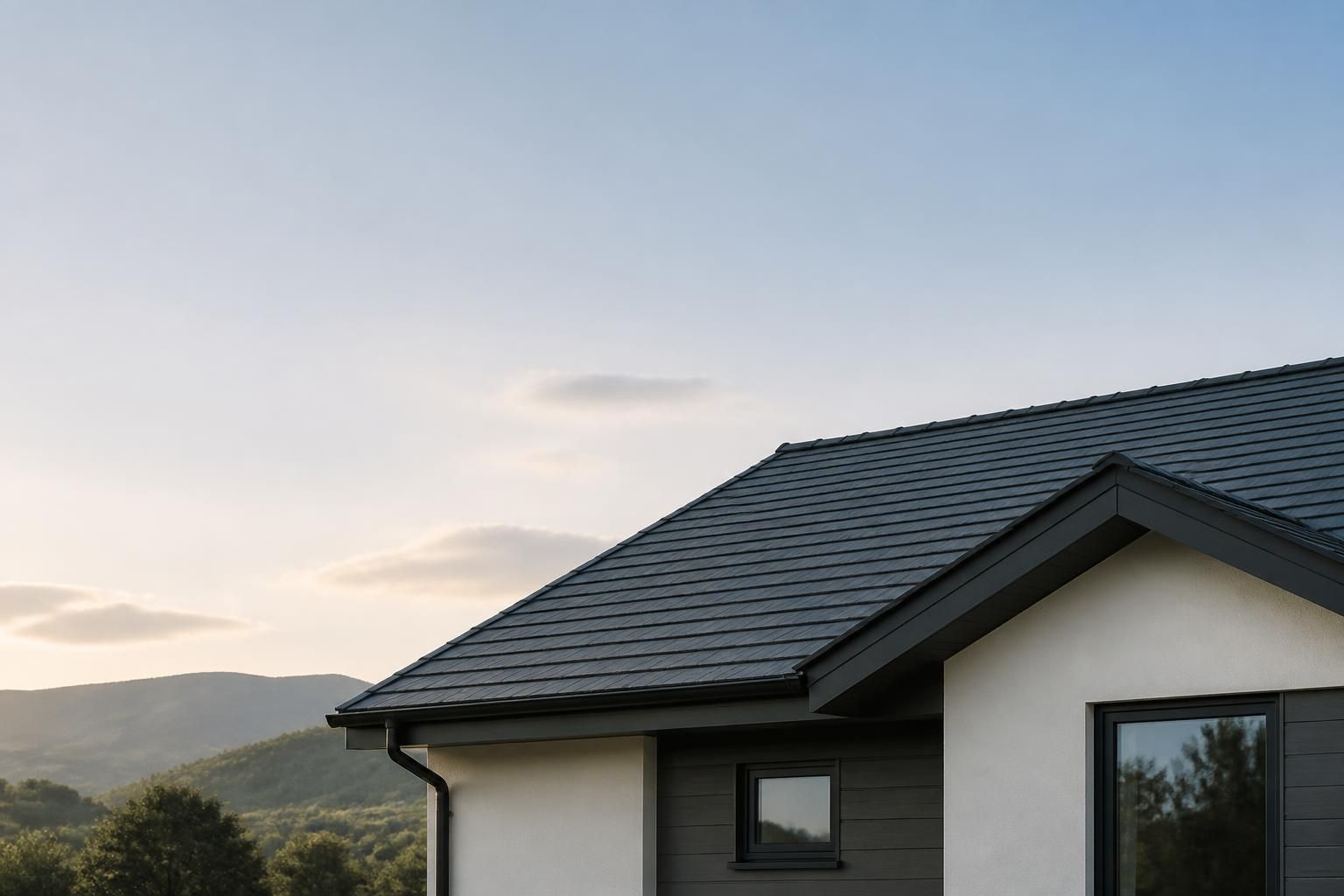
Ridgeline Roofing Co. handles commercial roof replacement with attention to the building’s use, access needs, and existing roof structure. We can discuss the material direction that fits the property, whether that points toward shingle roofing for certain structures, metal roofing, or a commercial roof system suited to flat-roof service needs.
A good replacement plan should answer:
- Which roof areas are still serviceable
- What needs to come out and what can stay
- How transitions and edges will be handled
- How the finished roof will shed water and resist wear
That kind of planning helps reduce surprises and keeps the project organized from start to finish.
Storm damage
Storm-related roof damage is not always dramatic. A single lifted edge, a split seam, or a puncture can be enough to create a leak later. After severe weather, a commercial property should be checked for damage that may not show up from the ground.
We provide storm-damage inspections and repair recommendations for Denver, CO commercial roofs. If a storm has left the roof vulnerable, we can assess the affected areas, document what needs attention, and help stabilize the building while repair decisions are made.
After-weather checks
These visits focus on exposed edges, roof openings, torn flashing, surface impacts, and areas where debris may have caused abrasion or puncture damage.
Water-entry clues
We also look at interior signs, because a small exterior defect can create a larger indoor problem if it is left alone. The sooner the source is found, the narrower the repair can stay.
Commercial buildings often have more than one owner or tenant relationship involved, so a clear written summary is helpful when decisions need to be shared across stakeholders.
Flat roof care
Flat and low-slope roofs ask a lot from their seams, drains, and edge details. They can perform well when those parts are kept in good shape, but they need careful attention when water begins to linger or materials begin to separate.
For flat-roof service, we focus on the details that keep water moving away from the building and off sensitive areas. That includes transitions, drainage points, and the spots where different materials meet.
- Seam checks for separation or stress
- Drain and scupper inspection
- Flashing review at walls and terminations
- Repair of isolated punctures and worn sections
- Evaluation of ponding-related wear
Even when a roof looks calm from the street, a closer inspection can show where it is beginning to need attention.
How work moves
Commercial roofing work goes more smoothly when the process is direct. Property owners and managers usually need a clear sequence that helps them plan around the building without confusion.
- Initial discussion
You describe the concern, whether it is a leak, visible wear, storm damage, or a roof that needs a broader look.
- Roof assessment
We inspect the relevant areas and identify the conditions that are driving the problem.
- Scope review
We explain what should be repaired, what should be replaced, and what can wait.
- Work scheduling
Once the direction is set, the job is arranged so the site can stay orderly and the roof work can move efficiently.
- Completion walk-through
After the work is finished, we review the completed areas so you know what was addressed and what to monitor going forward.
This process keeps the roof work understandable from the first call to the final review.
Common questions
What kinds of commercial roofs do you evaluate?
We evaluate commercial roofs with flat or low-slope characteristics, along with related roof surfaces, edge details, and drainage components. If the roof has mixed materials or transitions, we examine those areas carefully too.
Can a leak come from a spot away from the stain?
Yes. Water can travel before it shows indoors, especially on commercial roof systems with seams, flashing, or multiple layers of roof details. That is why inspection matters.
Do you handle small sections of damage?
Yes. A small section repair may be the right answer when the issue is isolated and the rest of the roof is still serviceable. We do not push broader work when a tighter fix makes sense.
What if the roof has several trouble spots?
When there are multiple failing areas, we evaluate whether repair remains practical or whether a replacement plan is the more useful long-term option for the building.
Can you help after storm damage?
Yes. We provide storm-damage inspections and repair recommendations for commercial roofs, with attention to lifted materials, punctures, seam failures, and other weather-related concerns.
How should a property manager prepare for a roof visit?
Share any leak history, known trouble spots, access concerns, and recent changes to the roof. That information helps us focus the inspection and provide a more useful summary.
Start here
If your commercial roof is showing wear, leaking after weather, or reaching the point where repair decisions feel unclear, Ridgeline Roofing Co. can help you sort through the options. We work with Denver, CO property owners who want honest observations, practical repair guidance, and roof work that respects the building as well as the schedule.
Call +13035550102 or email hello@ridgelineroofing.example to set up a commercial roofing inspection or request a repair and replacement review.
 Google Reviews