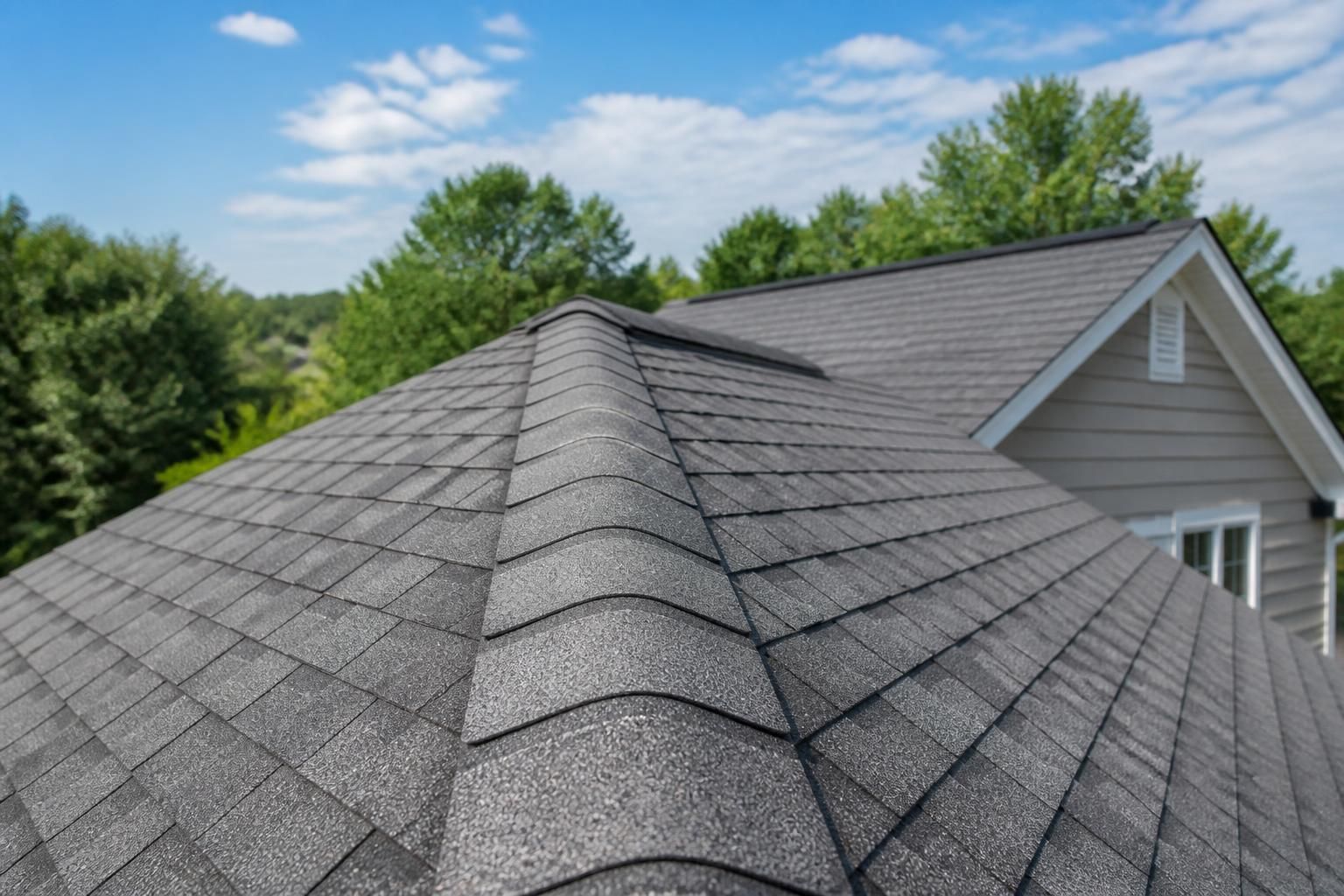
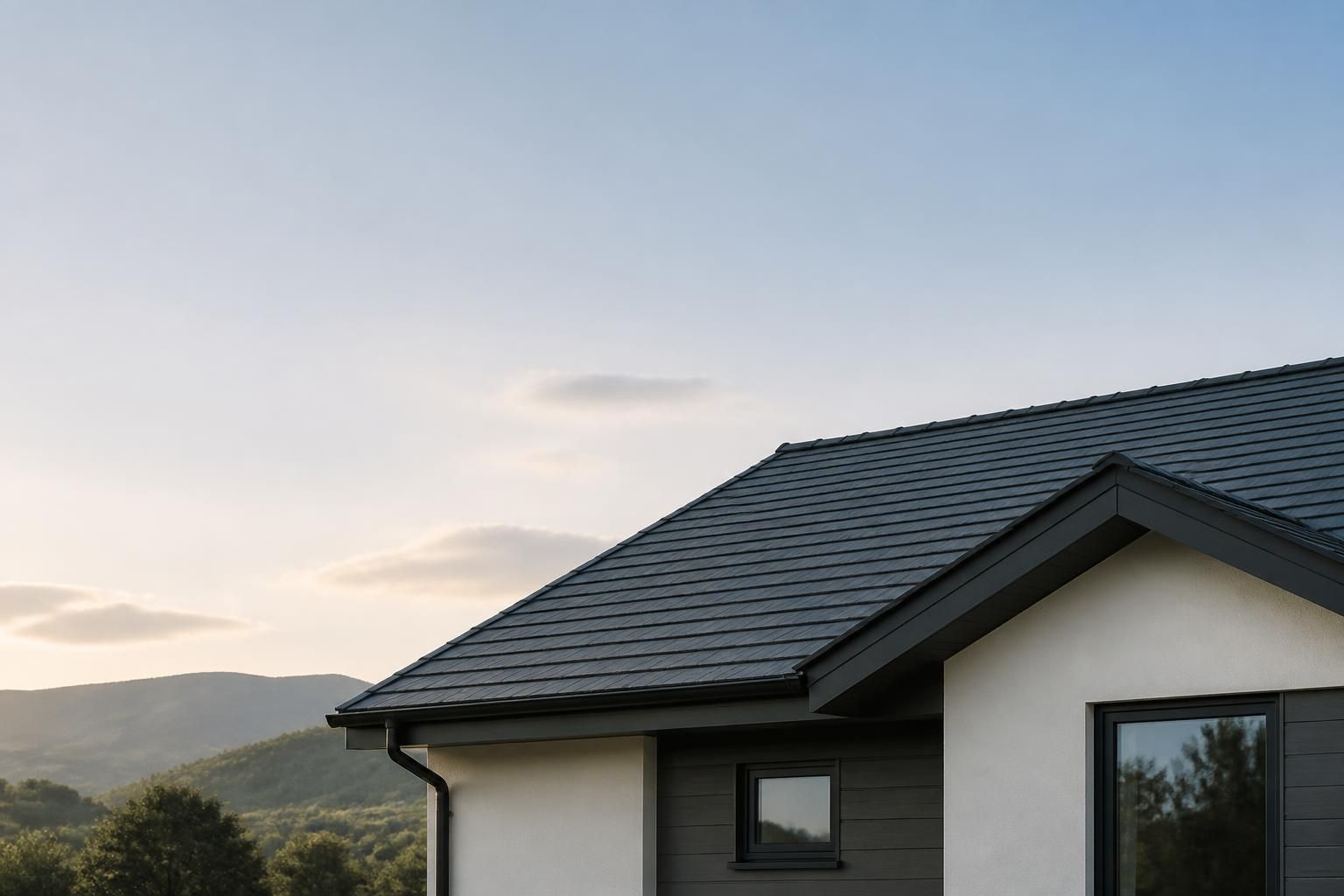
If you have seen missing shingles, stains on ceilings, granules near gutters, or a roof that just looks tired, it may be time for a close inspection. A roof can hide damage long before a leak becomes obvious, and once water finds a path inside, the repair often becomes more complicated.
Ridgeline Roofing Co. offers roof inspection service for Denver, CO homeowners who want clear answers about what their roof needs now and what can wait. We look for visible wear, storm-related damage, weak points around flashing and penetrations, and signs that your roof is nearing the point where repair or replacement should be planned.
What we check
A roof inspection is more than a quick look from the ground. We examine the areas that most often fail first and connect those details to the condition of the rest of the roof. That gives you a practical picture of where you stand and what to do next.
- Shingle condition: curling, cracking, missing tabs, loss of protective granules, and uneven wear.
- Flashing details: vulnerable seams around vents, chimneys, skylights, and other roof transitions.
- Surface damage: impact marks, lifted materials, soft spots, and visible deterioration.
- Drainage concerns: gutter overflow, debris buildup, and places where water may sit too long.
- Attic and interior clues: discoloration, moisture signs, and ventilation-related concerns that point back to the roof.
- Storm-related issues: damage patterns that often appear after wind or hail exposure.
If your home has a flat roof, roof replacement planning, or a recent roof repair and you want confirmation that the problem was resolved, an inspection can help you make decisions with more confidence.
When to schedule
Some roof problems are obvious. Others are subtle enough that homeowners ignore them until a small issue spreads. A roof inspection makes sense any time you notice a change, but there are a few moments when it is especially useful.
- After a storm: If wind or hail moved through the area, hidden damage may not show up right away.
- Before buying or selling: A roof report helps you understand the roof’s condition before you commit to major decisions.
- When stains appear: Interior marks often mean moisture is getting past the outer layers.
- When shingles age out: Older roofing materials can start to fail in small, scattered ways before a larger problem appears.
- When gutters change behavior: Overflow, heavy granule buildup, or water splashing where it should not can point to roof wear.
Ridgeline Roofing Co. serves Denver, CO homeowners who want a straightforward evaluation rather than guesswork. If the roof is serviceable, we say so. If it needs repair attention, we explain where and why.
How the visit works
We keep the process simple so you know what to expect from the start. The goal is to look carefully, document what matters, and explain it in plain language.
1. Exterior review
We inspect the roof surface, edges, penetrations, and visible transitions for damage, wear, and installation issues that may be affecting performance.
2. Interior clues
When appropriate, we also look for signs inside the home that support what we see outside, including staining, moisture marks, or ventilation concerns.
3. Clear recommendations
After the inspection, we walk you through the findings and outline the next step, whether that means targeted repair, follow-up monitoring, gutter work, or planning for replacement.
You should leave the visit with a clearer understanding of the roof’s condition and a realistic path forward, not a stack of confusing notes.
Common damage signs
Some of the most useful clues are easy to miss until you know where to look. If you notice any of these, a roof inspection is a smart next step.
- Shingle edges lifting: This can leave the roof vulnerable to wind and water.
- Dark streaks or patches: These may point to wear, trapped moisture, or material breakdown.
- Ceiling stains: Water may be entering at a higher point than where the stain appears.
- Loose flashing: Small gaps around roof features can create larger problems during weather changes.
- Granules near downspouts: Material loss often means the roof surface is aging.
- Visible sagging or uneven areas: These deserve prompt attention and a careful look.
Not every sign means the roof is failing. Some issues are isolated and manageable, while others point to wider wear. That is why a careful inspection matters more than a quick assumption.
After the inspection
Once the roof has been examined, the next step depends on what we find. Some roofs only need a minor repair or a simple follow-up check. Others may need more planning, especially if wear is widespread or storm damage has opened multiple weak points.
We can help you sort findings into a few practical categories:
- Monitor: The roof shows wear, but no immediate repair is needed.
- Repair: A few areas need attention to stop small problems from spreading.
- Plan ahead: The roof is aging enough that replacement should be considered before failure becomes widespread.
- Protect exposed areas: If damage has left the home exposed, temporary tarping may be needed while next steps are arranged.
Ridgeline Roofing Co. focuses on useful recommendations, so you are not left wondering whether the roof needs a light touch or a bigger solution.
Why homeowners call
People usually do not ask for a roof inspection because everything looks great. They call because something changed, and they want a trustworthy read on what it means. The value comes from catching trouble early enough to make a choice, not a reaction.
A careful inspection can help you:
- Understand whether a leak source is active or only beginning to form
- Separate surface wear from damage that needs repair
- Support roof replacement planning when the roof is near the end of its life
- Identify gutter issues that may be adding stress to the roof edge
- Document storm-related concerns before they spread
For Denver, CO homes, that kind of clarity matters. Colorado weather can be hard on roofing materials, so a timely inspection can save time spent chasing symptoms later.
Inspection for repair planning
If you already know something is wrong, a roof inspection gives structure to the repair process. Instead of guessing at the source, we look for the full pattern. That helps determine whether the issue is limited to one area or tied to a broader problem with the roof system.
We also use the inspection to help you compare options when the roof is old enough that repair may not be the smartest long-term answer. In some cases, a focused roof repair is enough. In others, a roof replacement may be the more practical choice. Either way, the inspection gives you a firmer basis for deciding.
Common questions
What makes a roof inspection different from a quick visual check?
A roof inspection looks at wear patterns, vulnerable details, and supporting clues from the roof and nearby areas. A quick glance often misses the signs that matter most.
Can a roof inspection help after a storm?
Yes. Storm-related damage is not always easy to see from the ground, and an inspection can reveal lifted materials, impact marks, or problem areas that need attention.
Do you inspect roofs with visible leaks?
Yes. If you have signs of a leak, an inspection can help narrow down the likely source and show whether the problem is isolated or part of a larger issue.
Should I inspect a roof that looks fine from the street?
Yes, if the roof is aging or if you want a better sense of its condition. Many concerns are not visible from ground level.
Can a roof inspection help me plan for replacement?
Absolutely. If the roof is wearing down across multiple areas, the inspection can help you understand whether replacement should be considered soon.
What if the roof only has a small concern?
That still matters. Small issues are often easier to address when they are limited, and an inspection helps confirm whether the problem is truly minor.
Talk with Ridgeline Roofing Co.
If your roof has signs of wear, recent storm exposure, or a problem you cannot quite pin down, Ridgeline Roofing Co. can inspect it and explain what the findings mean. We serve Denver, CO homeowners with practical roof inspection service, careful assessments, and straightforward next steps.
To schedule a roof inspection, call +13035550102 or email hello@ridgelineroofing.example. Our office hours are Monday through Friday, 9:00 AM to 5:00 PM.
 Google Reviews