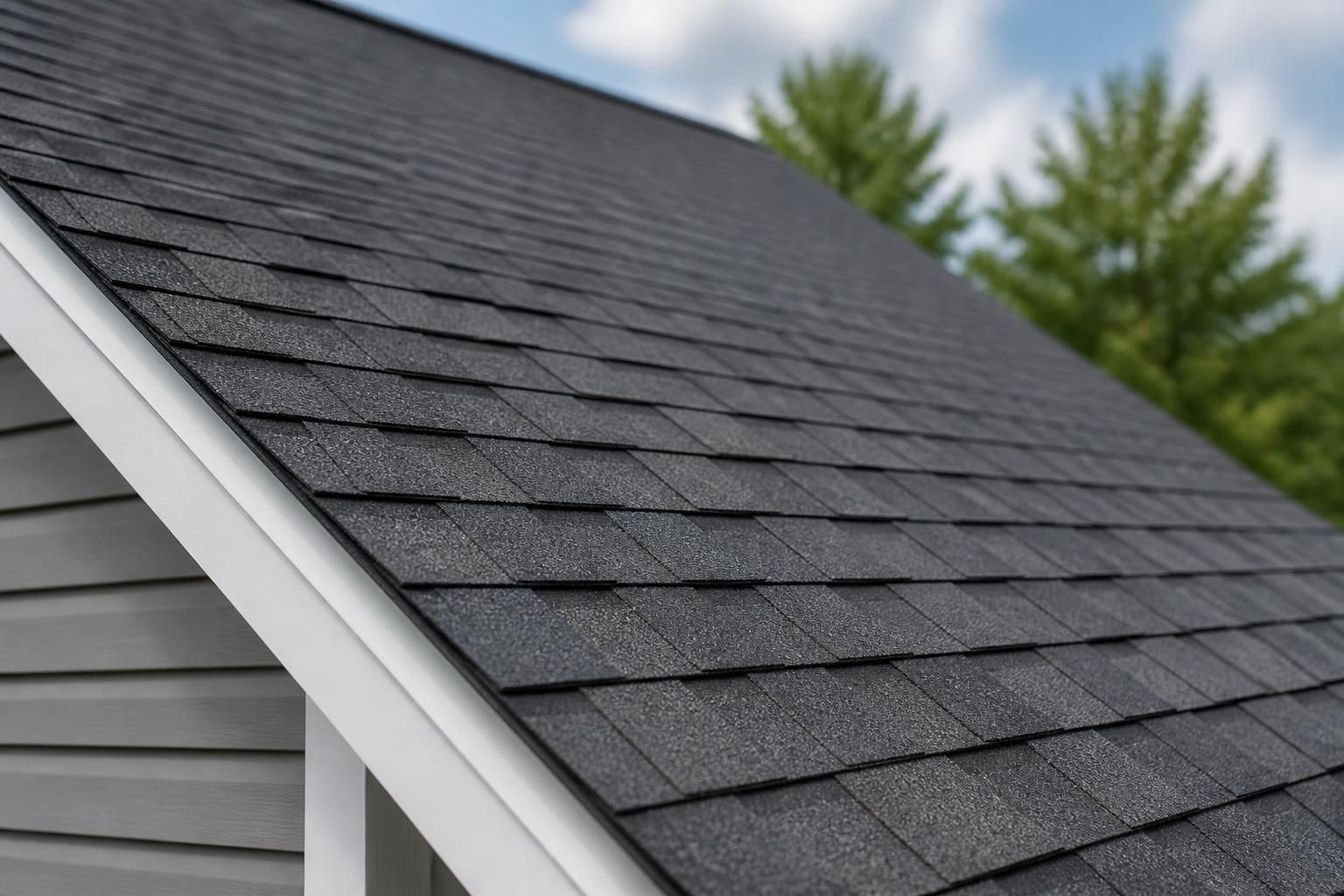
Missing shingles, curled edges, or a roof that just looks tired can leave a homeowner uneasy fast. When water stains show up inside, granules collect near the downspout, or a few shingles lift after weather moves through, it is time to have the roof looked at before small trouble spreads.
Ridgeline Roofing Co. helps Denver, CO homeowners sort out shingle roof concerns with clear assessments, straightforward recommendations, and work built for the conditions Colorado homes face. We look at the roof surface, flashing details, and wear patterns, then explain whether a repair, replacement, or inspection makes the most sense for the home.
Shingle roof concerns
Shingle roofs often give subtle warning signs before a bigger problem becomes obvious. A few loose pieces may not seem urgent at first, but the roof can lose protection around seams, edges, and transitions long before a leak shows up indoors.
If you are noticing any of the signs below, a roof evaluation is a practical next step:
- Curled or lifted shingles that no longer lie flat against the roof surface
- Missing shingles after wind or general wear
- Granule loss collecting in gutters or along the ground
- Dark streaks or patchy areas that make the roof look uneven
- Interior staining on ceilings or upper walls
- Soft spots or visible sagging that suggest deeper damage
These symptoms do not all point to the same fix. Some roofs need a targeted repair, while others are showing age across enough of the surface that replacement is the wiser path.
Our shingle services
Shingle roofs need a focused approach because the visible surface is only part of the system. Underneath the shingles, the roof depends on sound underlayment, clean edges, working flashing, and careful sealing at transition points.
Ridgeline Roofing Co. offers shingle roofing support that can include:
- Roof inspection for visible wear, storm-related damage, and leak concerns
- Roof repair for limited damage, lifted sections, or localized leaks
- Roof replacement when the shingles are beyond useful repair
- Storm damage repair after weather leaves the roof exposed or compromised
- Gutter work when roof drainage issues are affecting the system
For shingle roofing, the goal is not just to cover a problem. It is to restore dependable protection and help the roof shed water the way it should.
Repair or replace
Homeowners often want to know whether a roof can be fixed or whether it has reached the point where replacement makes more sense. The answer depends on the age of the shingles, the scope of damage, and what the inspection reveals beneath the surface.
- Limited damage
If the issue is isolated to a small area, such as a few missing shingles or a leak around a specific penetration, repair may be the right move. The surrounding material has to be sound enough to support the patch and keep the roof balanced.
- Widespread wear
When shingles are brittle, heavily curled, or shedding granules across much of the roof, patching one section usually does not solve the larger problem. A replacement can make more sense when wear is spread across the surface.
- Hidden concerns
Sometimes the roof looks manageable from the ground, but inspection shows soft decking, failed flashing, or repeated water entry. Those findings can change the recommendation even when visible shingle damage seems minor.
We explain what we see, what the roof still has left to give, and what each option means for the home so the decision is easier to make.
Roofing materials
Shingle roofing is often chosen for its familiar look and flexible style options, but not all shingles behave the same. The right match depends on the home’s design, the roof shape, and how much wear the roof is already showing.
Shingle types
In many cases, homeowners are comparing standard asphalt shingles with more durable architectural styles. The choice affects appearance, thickness, and how the roof handles years of weather exposure.
Color and curb appeal
A new shingle roof can change the look of a home more than many people expect. We help homeowners choose a style that fits the house without making the roof look too flat, too busy, or out of place.
Matching existing sections
When only part of the roof needs work, matching the surrounding shingles matters. A close match helps the repair blend with the rest of the roof and keeps the finished result from looking pieced together.
Inspection process
A clear inspection helps remove guesswork. Instead of focusing only on the most visible damage, we look at the full roof surface and the details that control how water moves off the home.
During a shingle roof inspection, we typically review:
- Shingle condition across the roof surface
- Flashing areas around joints, valleys, and roof transitions
- Signs of lifting or impact that may not be visible from below
- Drainage patterns tied to gutters and roof edges
- Areas of previous repair that may need attention again
After the inspection, you get practical feedback. If the roof still has life left in it, we say so. If the damage is spreading or the system is nearing the end of its useful service, we explain why.
After weather damage
Shingle roofs can be affected by sudden weather shifts that loosen tabs, break seals, or leave the roof surface uneven. Even when the damage seems small, water can follow the path of least resistance and reach places that are hard to see.
Common post-weather concerns include lifted shingles, scattered loss of shingles, punctures, and edge damage near ridges or eaves. A prompt inspection helps document the condition of the roof and determine whether repair or replacement is the smarter choice.
Ridgeline Roofing Co. handles storm damage repair with a focus on protecting the home first, then restoring the roof in a way that makes sense for the long term. If the roof needs temporary covering while decisions are being made, that can be addressed as part of the plan.
What the work looks like
Homeowners usually want to know how a roofing project will affect daily life. A good shingle roofing job should feel organized, respectful, and easy to follow from start to finish.
Here is the general sequence:
- Initial assessment
We inspect the roof and talk through the visible concerns, any leak history, and the areas that deserve close attention.
- Clear proposal
You receive a straightforward explanation of the recommended scope, whether that means repair, replacement, or another service tied to the roof.
- Work day preparation
We plan the job site carefully so materials, access, and cleanup stay organized around the home.
- Roof work
The shingles and related roof details are addressed according to the agreed scope, with attention to the areas that control durability and water shedding.
- Cleanup and review
Once the work is complete, the site is tidied and the finished roof is reviewed so you know what was done.
That process helps keep the project understandable and limits surprise for the homeowner.
Denver roof care
Shingle roofs around Denver, CO need attention that matches the way local homes are used and maintained. A roof that is neglected for too long can turn a small fix into a larger job, especially when damage sits unnoticed under the shingles or along a flashing edge.
Simple habits help homeowners stay ahead of trouble:
- Look at the roof after noticeable weather changes
- Check gutters for shingle granules or pieces of roofing material
- Notice any stains or discoloration inside the home early
- Schedule an inspection when shingles start curling, cracking, or lifting
- Address a small repair before more of the roof is affected
Regular attention does not mean overreacting to every blemish. It means knowing which changes are cosmetic and which ones suggest the roof is losing protection.
Common questions
How do I know if a shingle roof needs repair?
Look for missing shingles, lifted edges, granule buildup, or stains indoors. A roof inspection can confirm whether the damage is isolated or part of a wider issue.
Can a few damaged shingles be replaced?
Yes, if the surrounding shingles are still in solid condition. A localized repair can be a smart option when the rest of the roof is holding up.
What if the roof has repeated leak spots?
Repeated leaks often point to a detail the roof keeps struggling with, such as flashing or worn materials nearby. An inspection helps identify the source instead of only treating the visible stain.
How long does a shingle roof last?
Service life depends on material quality, maintenance, and wear over time. Some roofs show age sooner because their shingles lose flexibility or start shedding granules across the surface.
What does a roof inspection look at?
We review the shingles, flashing, edges, valleys, and other visible parts of the roof that affect water movement and roof condition.
Should I wait if the roof still looks mostly fine?
Waiting can make sense for minor cosmetic wear, but signs like curling, missing shingles, or interior staining are worth checking sooner rather than later.
Start here
If your shingle roof is showing age, leak signs, or damage after weather, Ridgeline Roofing Co. can help you sort out the next step. We serve Denver, CO homeowners with practical inspections, honest repair recommendations, and replacement work when the roof has reached that point.
Call +13035550102 or email hello@ridgelineroofing.example to schedule a shingle roofing assessment and get a clear read on your roof.
 Google Reviews