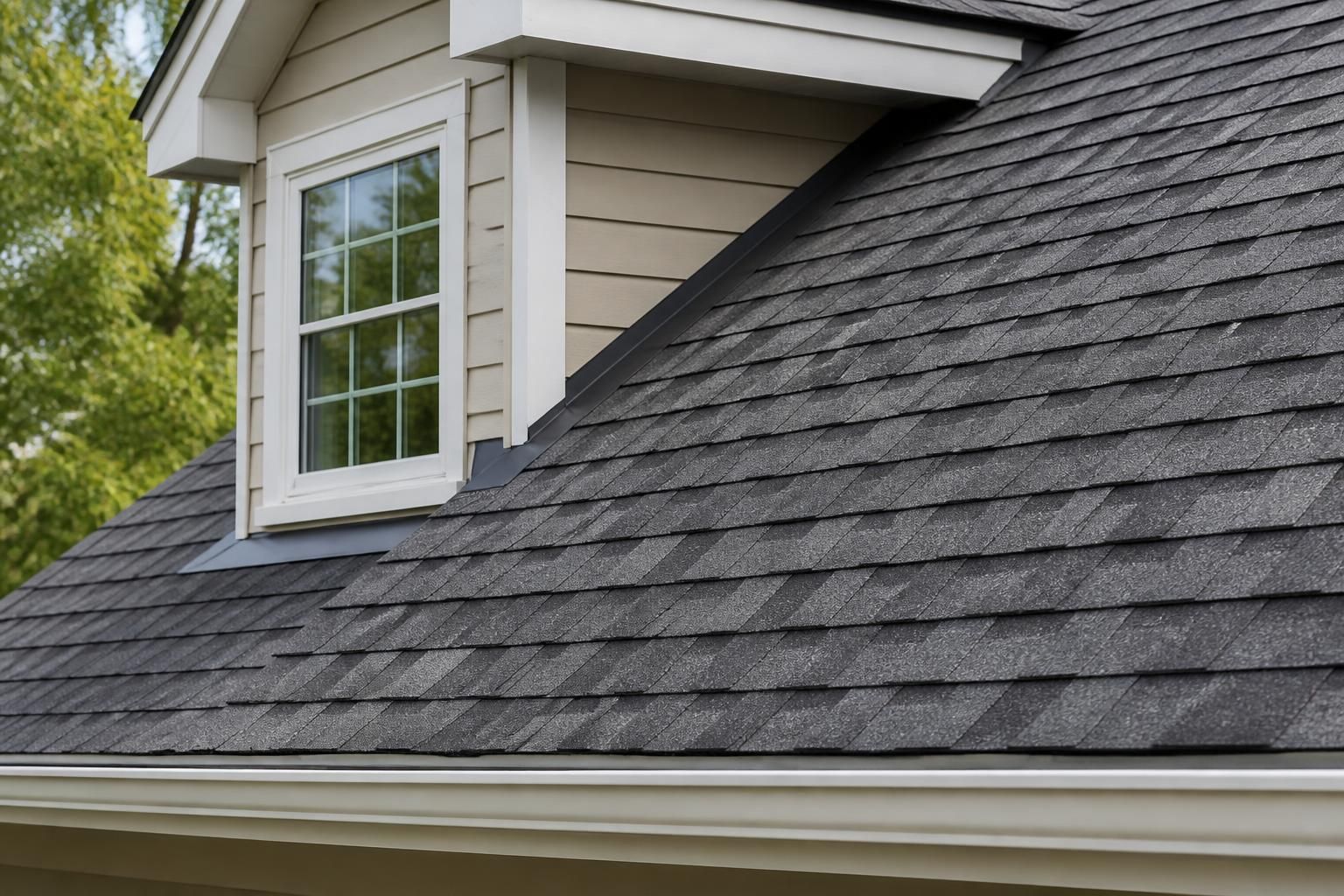
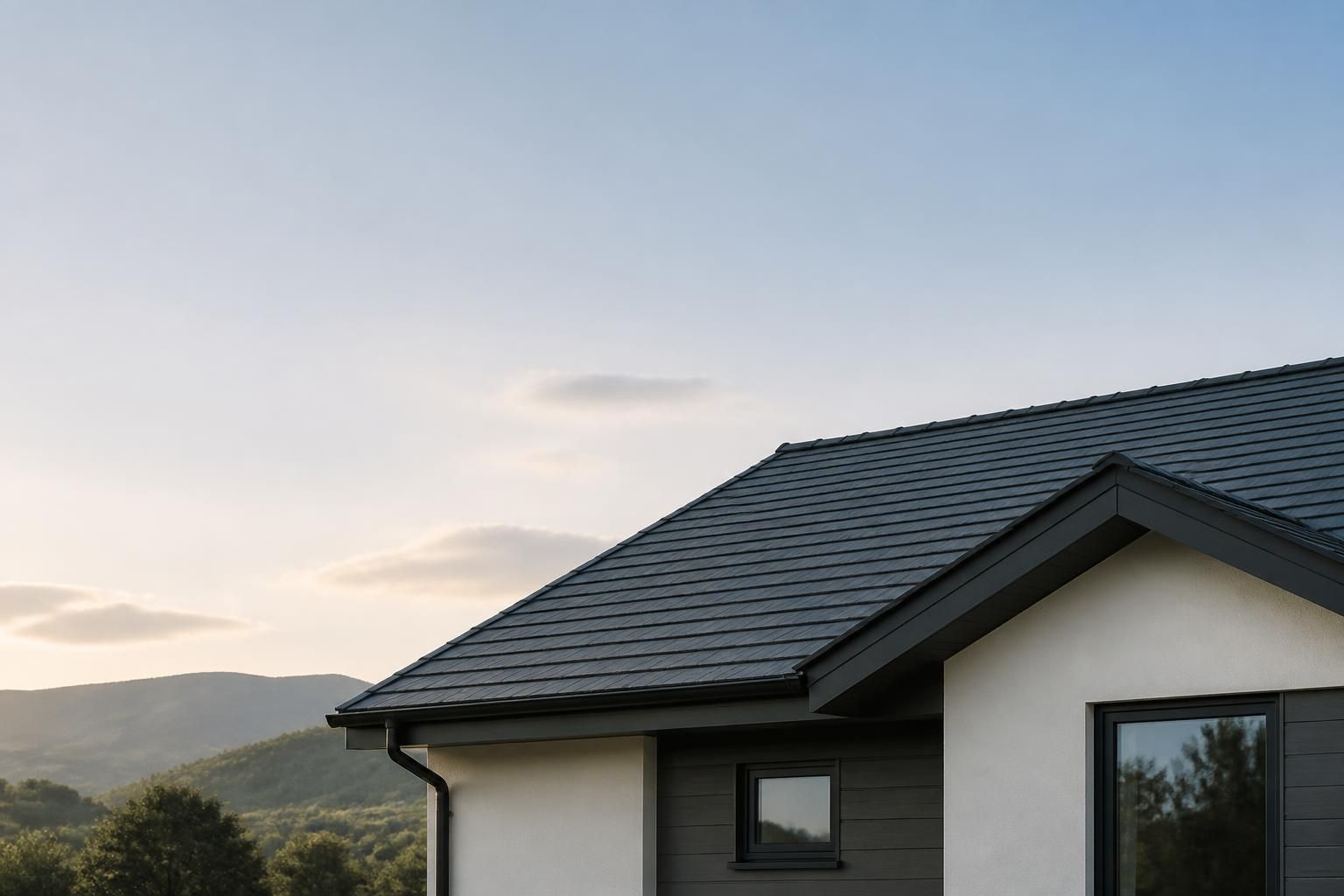
A missing shingle, a fresh stain on the ceiling, or granules collecting near the downspout can be the first sign your roof needs attention. Small problems often start quietly, then spread after the next stretch of wind or rain.
Ridgeline Roofing Co. helps homeowners across Denver, CO sort out roof damage with clear inspections, straightforward repair recommendations, and work that matches the condition of the roof. If you have a leak, cracked flashing, lifted shingles, or storm-related damage, we can assess what is happening and explain the next step without pressure.
Signs to watch
Roof damage does not always start with a dramatic leak. Many repair calls begin with subtle changes that are easy to overlook until water finds a path inside.
- Interior stains on ceilings or upper walls
- Shingles that are missing, curled, cracked, or loose
- Granules collecting in gutters or near downspouts
- Flashing gaps around vents, chimneys, or roof edges
- Sagging spots or visible dips along the roofline
- Moisture odors or damp areas after rain
If you notice one of these issues, it is worth having the roof checked before the damage spreads to decking, insulation, or finished rooms.
Repair types
Roof repair is not one single fix. The right solution depends on where the damage started, how far it has spread, and whether the surrounding materials still have useful life left.
Shingle patching
Loose or damaged shingles can often be replaced without disturbing large sections of the roof. This helps restore coverage and reduce the chance of water entering at the exposed area.
Flashing repair
Flashings protect the transitions and penetrations that are most likely to let water through. If a vent, wall intersection, or chimney area has failed, we focus on sealing the vulnerable point and checking nearby materials.
Leak source repair
Sometimes the visible stain is far from the true source. We look beyond the obvious spot so the repair addresses the entry point, not only the symptom indoors.
Storm damage repair
When wind or hail has affected the roof, the repair may involve replacing damaged shingles, sealing lifted edges, or correcting impact-related openings before they widen.
Inspection process
A careful inspection helps prevent guesswork. We look at the roof surface, vulnerable transitions, and related areas so the repair proposal reflects what the roof actually needs.
- Assess the damage
We start by identifying visible concerns and checking nearby areas that may have been affected as well.
- Trace the source
Water often travels before it appears indoors. We look for the path it is taking and the conditions that allowed it through.
- Match the fix
Some roofs need a focused repair, while others need more extensive restoration around the damaged area.
- Explain the next step
We outline what should be repaired now and what should be monitored later so you can make an informed choice.
This approach is especially helpful when a roof has a few problem spots but is otherwise still serviceable.
What we repair
Ridgeline Roofing Co. handles a wide range of roof repair needs for Denver, CO homeowners. The goal is to restore the roof section that has failed and reduce the chance of repeat problems from the same area.
- Missing or damaged shingles
- Lifted edges and exposed fasteners
- Leaks around vents and roof penetrations
- Broken or worn flashing
- Damage near valleys and edges
- Storm-related punctures or openings
- Flat-roof trouble spots
- Minor gutter-related issues tied to roof drainage
If the damage is extensive, we will say so plainly. If a smaller repair can solve the issue, we will explain that too.
Repair or replacement
Homeowners often ask whether a roof can be repaired or whether it has reached the point of replacement. The answer depends on the roof’s overall condition, the age of the materials, and how much of the surface has been affected.
Repair makes sense when
The damage is limited to a few areas, the roof is otherwise holding up, and the surrounding materials still have enough life to justify targeted work.
Replacement makes sense when
There are repeated leaks, broad wear across large sections, or damage that extends far beyond one problem spot. In those cases, continuing to patch one area at a time may not be the practical choice.
We do not push a larger project when a repair is the cleaner path. The recommendation should fit the roof, not the other way around.
After storm damage
Storm-related roof issues need a careful look even when the damage seems minor from the ground. Lifting, bruising, and torn shingles can create weak points that let moisture reach the structure later.
When a storm has affected your home, we focus on the areas most likely to fail first:
- Shingles along ridges, edges, and exposed slopes
- Flashings around roof features and transitions
- Areas where wind may have lifted materials
- Sections with impact marks or missing pieces
Getting the roof checked soon after a storm can help limit the size of the repair and reduce the chance of hidden damage going unnoticed.
Jobsite care
Roof repair should not leave your property a mess. We keep the work area organized, treat the home with care, and aim to leave the site clean when the repair is complete.
That means clear communication before the work starts, practical updates while the repair is underway, and a straightforward wrap-up once the damaged area has been addressed. If additional issues are uncovered during the job, we explain them before moving ahead.
Common questions
How do I know if the leak starts at the roof?
Ceiling stains, damp insulation, or water near upper walls can point to a roof problem, but water often travels before it appears inside. A roof inspection helps trace the source.
Can a few missing shingles wait?
It depends on where they are and how much of the underlayment is exposed. Missing shingles can leave nearby areas vulnerable, so it is smart to have them checked quickly.
What if the damage only affects one section?
Localized damage can often be repaired without replacing the entire roof. We look at the surrounding materials to see whether a focused fix is a sound option.
Do you repair flat roofs?
Yes. Flat-roof service is part of our work, and we can assess spots where standing water, seams, or surface wear have created trouble.
Should I inspect the roof after strong wind or hail?
Yes, especially if you see loose material, denting, or new interior staining afterward. Damage may not be obvious from the ground.
What details help before I call?
Photos of stains, damaged shingles, or the affected ceiling area can help us understand the situation faster. It also helps to note when you first noticed the problem and whether it followed recent weather.
Schedule repair help
If your roof is showing signs of damage, Ridgeline Roofing Co. can help you understand what is happening and what should be done next. We serve Denver, CO homeowners with practical roof repair, careful assessments, and clear recommendations that match the condition of the roof.
Call +13035550102 or email hello@ridgelineroofing.example to schedule an inspection and get a repair plan that fits your home.
 Google Reviews