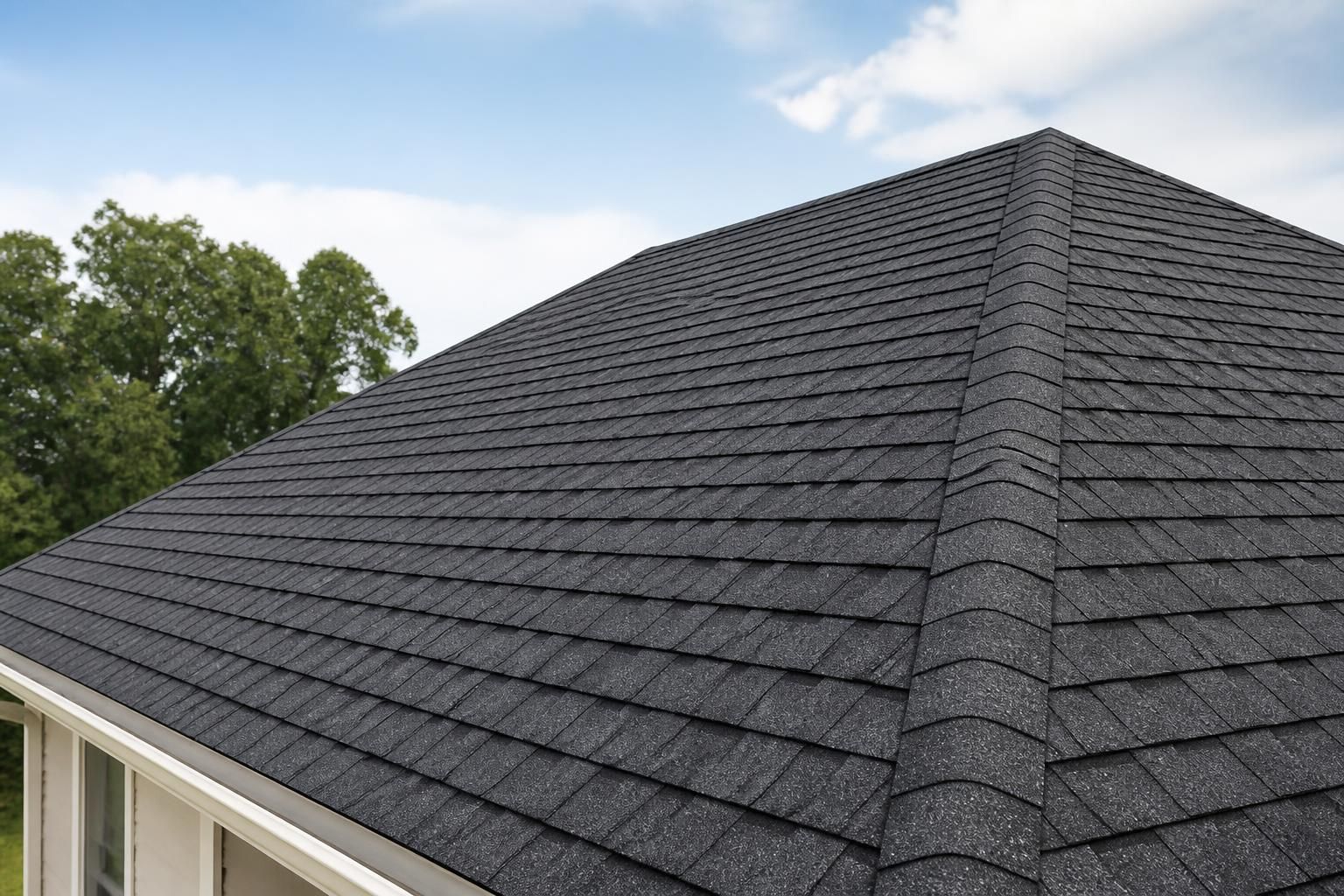
If your roof is showing widespread wear, missing shingles, repeated leaks, or sagging areas, repairs may no longer be enough. A roof replacement gives your home a fresh start with a new surface, updated underlayment, and a cleaner line of defense against Denver weather.
Ridgeline Roofing Co. helps homeowners sort through the signs, compare replacement options, and move ahead with a plan that fits the roof, the property, and the condition of the existing materials. If you are seeing stained ceilings, loose shingles, granule loss, or patches that keep needing attention, replacement may be the practical next step.
When replacement makes sense
Roof replacement becomes worth considering when the roof has moved beyond isolated repairs. Small issues can usually be addressed one at a time, but repeated patching can leave you with a roof that still looks worn and keeps demanding attention. A full replacement is often the better choice when the roof has broad wear across multiple areas.
During the first review, we look for clear signs that the roofing system has reached that point. That includes brittle shingles, widespread curling, soft spots, recurring leaks, damaged flashing, and roof sections that no longer shed water as they should. We also consider the age and condition of the current roof as part of the decision.
Common warning signs
- Shingles that are cracked, curling, or missing across several sections
- Water stains on interior ceilings or upper walls
- Granules collecting in gutters or around downspouts
- Repeated patchwork that does not solve the same leak for long
- Soft decking or visible sagging on roof lines
What we inspect
Before any replacement recommendation, we inspect the roof as a system rather than looking at one damaged spot. That helps us give you a clear picture of what is worn out, what can be reused, and what needs to be replaced so the new roof is built on a solid base.
Ridgeline Roofing Co. reviews the surface condition, flashing details, edges, valleys, penetrations, and drainage points. We also look at roof decking where visible, since hidden damage beneath the surface can affect the new installation if it is not addressed first.
Assessment focus
- Surface wear
We check for the level of aging across the roof, including bald spots, brittle shingles, and damage around high-exposure areas.
- Leak sources
We trace signs of water intrusion to the areas most likely responsible, such as valleys, vents, skylights, and flashing transitions.
- Structural condition
We look for sagging, soft decking, or areas that suggest moisture has affected the roof deck below the visible surface.
- Replacement scope
We outline what the project includes so you know whether the work is limited to the roofing surface or needs a wider rebuild.
Replacement options
Not every roof replacement looks the same. The right plan depends on your home, the current roof structure, and the material you want to install. We walk through the most practical choices and explain how each one changes appearance, durability, and long-term maintenance needs.
For Denver, CO homes, material choice matters. A roof should match the building, handle local conditions, and support the look you want from the street. We help you compare your options without overcomplicating the process.
Material choices
- Shingle roofing
A common choice for homeowners who want a familiar look and straightforward replacement process.
- Metal roofing
Useful for homeowners who want a distinct appearance and a roof system with a different profile than shingles.
- Flat-roof service
Helpful for homes or sections with low-slope surfaces that need a replacement approach suited to that design.
We also consider the condition of gutters and drainage around the roof edge, since a new roof should work with the rest of the exterior system rather than sit alongside overlooked problems.
How the work unfolds
A roof replacement should feel organized from the first conversation to the final cleanup. We keep the process clear so you know what happens next and what the work will involve at each stage.
Ridgeline Roofing Co. starts with an inspection and a replacement recommendation, then provides a clear proposal that outlines the scope of work. Once the project is scheduled, the old roofing materials are removed, the deck is reviewed, and the new system is installed with attention to the details that matter most.
Project flow
- Review
We inspect the roof, discuss what we found, and explain whether replacement is the right move.
- Proposal
You receive a clear outline of the work, materials, and scope so expectations are set before work begins.
- Removal
The existing roofing surface is taken off so the deck and supporting layers can be evaluated.
- Installation
The new roofing system is installed with attention to edges, valleys, flashing, and water-shedding details.
- Cleanup
We leave the site orderly and remove debris so your property is ready to use again.
Repair or replace
One of the most common questions homeowners ask is whether a repair can still solve the problem. The answer depends on how much of the roof is affected and whether the damage is isolated or widespread. A small leak or limited shingle damage may point to repair. Larger, repeated, or aging issues often point toward replacement.
If you are unsure, we help you weigh the options without pushing a bigger project than you need. The goal is to choose the option that makes sense for the roof you have now, not the one you hoped you would still have years ago.
Good replacement candidates
- Roofs with repeated leak history
- Roofs with broad shingle wear across multiple slopes
- Roofs with damage that keeps returning after patching
- Roofs with aging materials and visible surface breakdown
Project details
A well-planned replacement protects more than the shingles or panels you can see. The edges, penetrations, and transition points are where many roofing problems start, so those details deserve close attention during installation.
We plan replacement work around the conditions of the existing roof and the needs of the property. That includes making sure the new materials are installed with consistent alignment, careful sealing, and a clean finish at the areas where water tends to collect or move fastest.
Details that matter
- Flashing around roof intersections and penetrations
- Valley treatment where water runs heavily
- Edge and ridge finishing
- Drainage coordination with gutters
- Deck condition before new materials go down
Those details are what turn a new surface into a complete roofing system instead of just a cosmetic update.
Denver homes
Roof replacement for Denver, CO homes should take the building and the roof layout seriously. A roof that looks acceptable from the street can still hide areas of wear, especially when the same trouble spot keeps coming back after repair work. We focus on practical recommendations that match the condition of the roof and the needs of the home.
Ridgeline Roofing Co. serves homeowners who want clear answers, durable materials, and a worksite that stays respectful of the property. That means straightforward communication, careful installation, and a finished result that fits the home without unnecessary noise or clutter around the project.
Common questions
How do I know if my roof needs replacement?
Look for widespread shingle wear, repeated leaks, staining inside the home, granules in gutters, or soft spots on the roof. If the same area keeps failing, replacement may be the better option.
Can a roof be replaced after storm damage?
Yes, if the damage is extensive enough to affect a large portion of the roof or if the structure has been compromised. A detailed inspection helps determine whether repair or replacement is the smarter route.
What happens to the old roofing materials?
The existing roof surface is removed as part of the replacement process, then the area is cleaned up so the new system can be installed on a clear base.
Will my gutters matter during replacement?
They can. Gutter condition and roof-edge drainage affect how water moves away from the home, so we consider them when planning the work.
How long does a replacement project involve my home?
The timeline depends on roof size, condition, and material choice. We discuss the schedule during the proposal stage so you know what to expect.
What should I prepare before the project starts?
Clear access around the home where possible, move vehicles if needed, and keep exterior areas accessible for the work and cleanup. We can explain any specific preparation steps before the start date.
Start the process
If your roof is worn out, leaking again, or past the point where patches make sense, a replacement can give your home a cleaner and more dependable cover. Ridgeline Roofing Co. can inspect the roof, explain the condition, and outline a replacement plan that fits the property.
For Roof Replacement service in Denver, CO, contact Ridgeline Roofing Co. at +13035550102 or email hello@ridgelineroofing.example. We are available Monday through Friday, 9:00 AM to 5:00 PM.
 Google Reviews