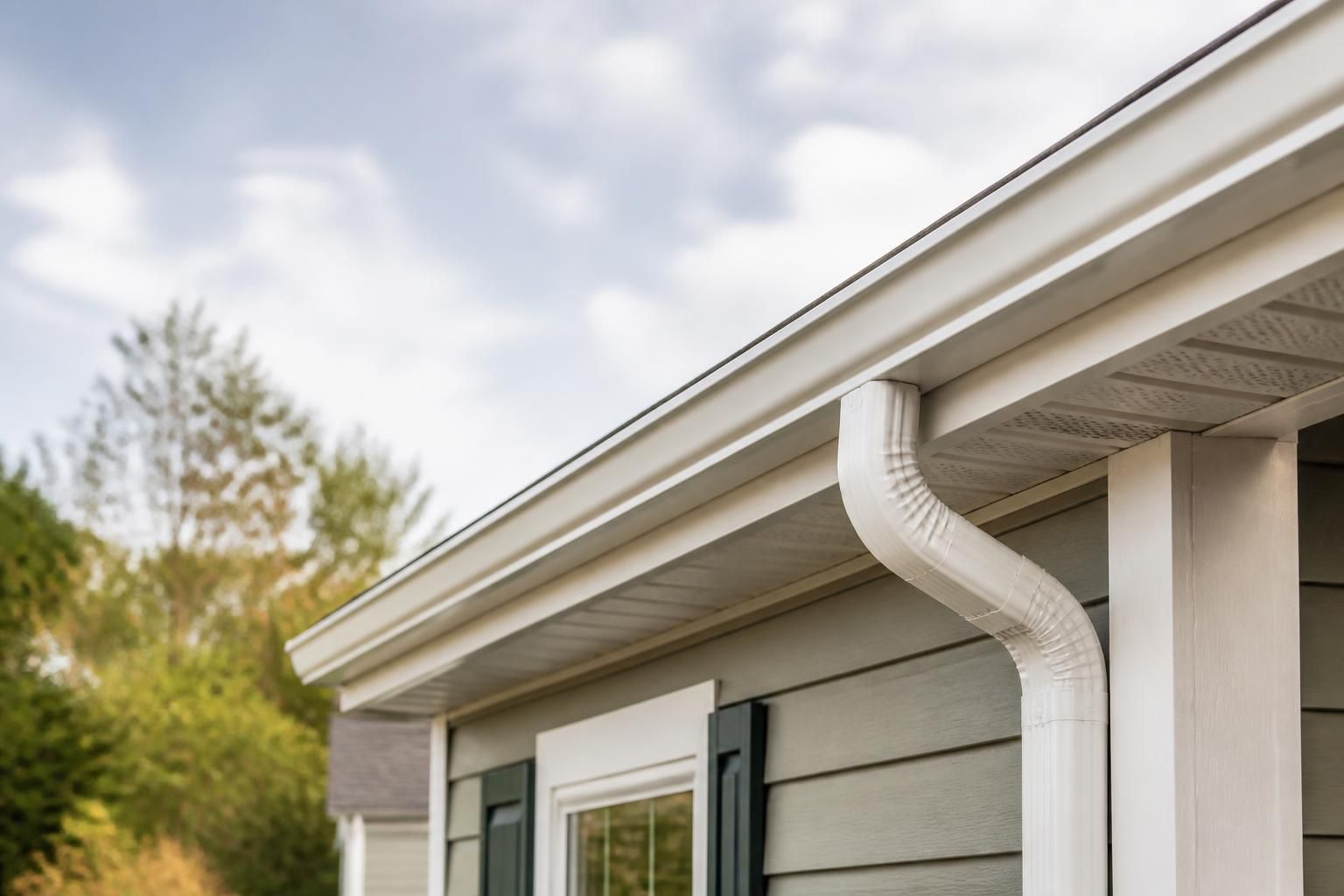
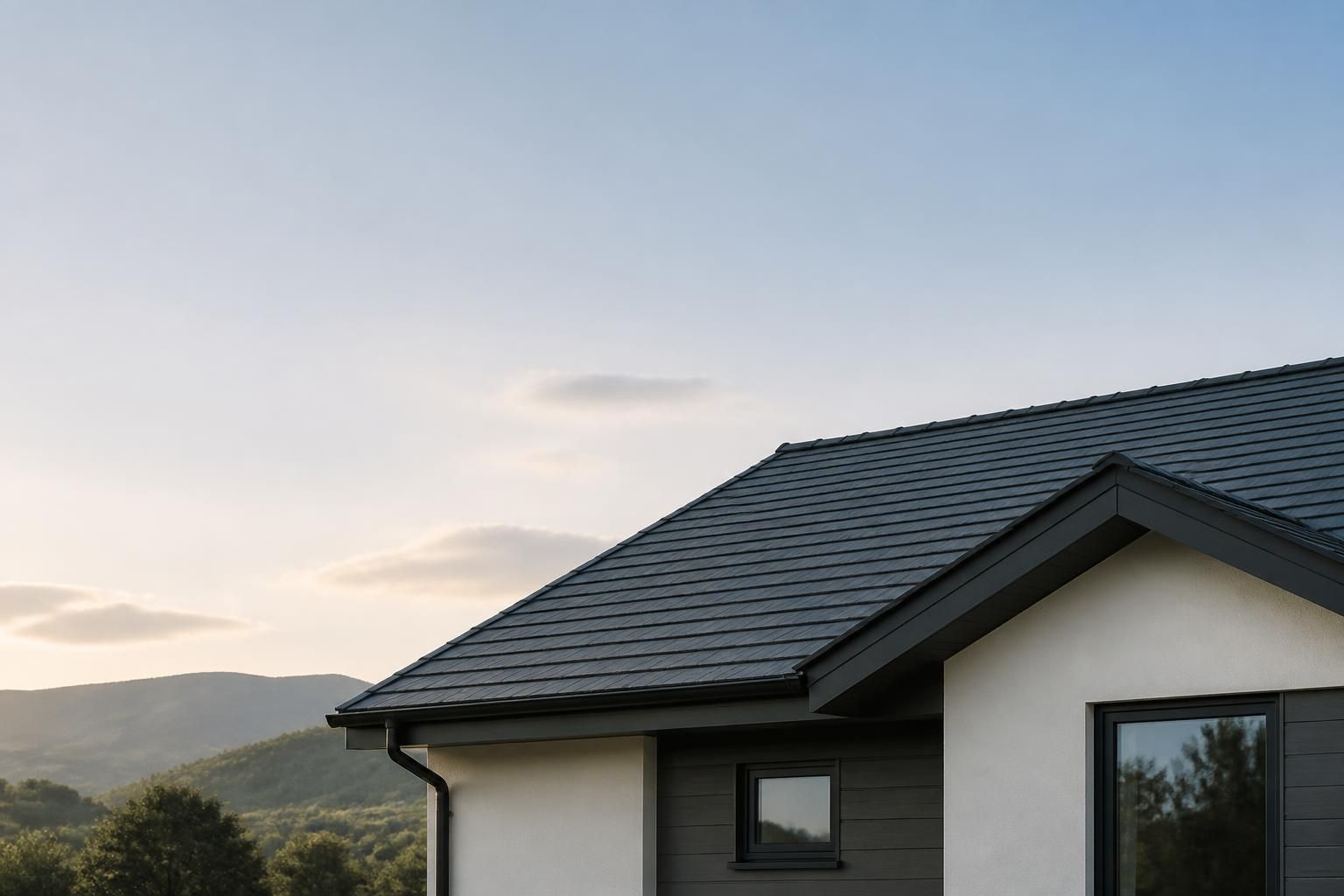
Water that spills past the edge of your roof can leave stains, rot wood trim, and pool near the base of your home. If your gutters sag, overflow, separate at the seams, or never seem to keep up, it may be time to replace them instead of patching the same trouble again.
Ridgeline Roofing Co. helps homeowners across Denver, CO with gutter installation that fits the roof, moves water where it should go, and supports the rest of the exterior. We take a careful look at the roofline, slope, and existing drainage points, then recommend a setup that matches the home rather than forcing a one-size approach.
When gutters need replacement
Some gutter problems start small and then become hard to ignore after a few storms. Once sections pull away from the fascia or hold water after rain, repairs may only buy limited time. New installation is often the cleaner answer when the system no longer keeps up with the roof it serves.
Watch for these signs that a new gutter run may make more sense than repeated patching:
- Standing water inside gutter channels after rain
- Visible sagging, bowing, or separation at seams
- Frequent overflow near corners and roof edges
- Peeling paint, stained siding, or soft wood near the eaves
- Downspouts that discharge too close to walkways or the foundation
We can assess whether the current layout can be tightened up or whether full replacement will give you a cleaner, longer-lasting result.
What we install
Every roofline has different runoff patterns, so the right gutter setup is about fit as much as material. At Ridgeline Roofing Co., we install gutter systems that are sized and placed to handle the roof shape, slope, and drainage path.
Seam placement
Where seams are used, their location matters. We plan the layout to reduce weak points, improve appearance, and limit spots where debris can collect.
Downspout routing
Downspouts need to move water away from the home without creating splashback or puddling. We review placement so runoff exits where it can be managed with less stress on the exterior.
Roofline fit
Gutters should sit cleanly against the fascia and align with the roof edge. A careful fit helps the system catch runoff instead of letting water slip behind it.
Our install process
A new gutter project should feel straightforward. We keep the process clear from the first look at the property through the final walk-through, so you know what is being installed and why.
- Evaluate the roof edge
We check the roofline, existing drainage, and visible wear so the gutter layout can be based on the home’s actual conditions.
- Plan the run
We map the placement of gutter sections and downspouts to match the slope and drainage needs of the house.
- Remove the old system
If existing gutters need to come off, we remove them with care so the fascia and surrounding areas can be inspected before new material goes up.
- Install and set pitch
We secure the new gutters with attention to pitch, alignment, and tie-in points so water has a clear path to follow.
- Check the details
After installation, we review connections, outlet points, and overall appearance, then confirm the system is ready for regular rain.
Material choices
The right material depends on the home, the look you want, and the conditions the system will face. We help you compare options without steering you toward a setup that does not suit the property.
Aluminum systems
Aluminum is a common choice for many homes because it offers a clean appearance and can be formed to fit long roof edges with a consistent finish.
Steel options
Steel can be a stronger-feeling option for some applications. It is worth considering when a homeowner wants a sturdier gutter line for certain roof areas.
Gutter profile
Beyond material, the shape of the gutter matters. A profile that suits the roofline can improve water capture and keep the exterior looking intentional rather than pieced together.
Drainage problems to avoid
Even a new gutter system can underperform if the layout is rushed. Small choices about slope, outlet placement, and runoff direction can determine whether water moves away from the home or gathers where it should not.
We pay attention to a few common trouble spots:
- Short downspouts
These may release water too close to the foundation or splash into areas that stay wet after each storm.
- Flat runs
If a gutter section is not set with the right pitch, water can sit inside the channel and leave debris behind.
- Unsupported spans
Long runs without enough support may sag over time and strain the fasteners.
- Poor corner design
Corners often collect debris first, so they need careful placement and clean transitions.
Why homeowners replace
Some people call for installation after one obvious failure. Others decide to replace gutters when they are already planning roof repair, siding work, or a broader exterior update. Either way, the goal is the same: keep runoff from creating extra repairs later.
New gutters can help reduce:
- Water stains along fascia and soffits
- Rotting wood near the roof edge
- Soil washout near the home
- Overflow that splashes against siding
- Repeated cleanup after every rain
Ridgeline Roofing Co. looks at the full drainage picture, not just the visible gutter section. That helps us recommend a layout that supports the roof and the rest of the exterior.
What the visit looks like
Homeowners often want to know how the appointment will feel from start to finish. We keep it simple and practical, with clear communication before work begins and before anything is altered.
During a gutter installation visit, you can expect:
- A review of the current gutter condition and roof edge
- Discussion of where water is landing now
- Clear explanation of the proposed layout
- Careful installation with attention to fit and finish
- A final check of transitions, attachments, and discharge points
We also make a point of keeping the work area organized so the project does not take over the whole property.
Denver homes
Homes across Denver, CO can have different roof shapes, exterior materials, and drainage needs, so a gutter system should be planned with the house itself in mind. A solution that works on one property may not suit the next one over.
If you are comparing options for a house that needs replacement gutters, new downspouts, or a cleaner runoff path, we can walk you through the choices and explain what each one changes. Ridgeline Roofing Co. focuses on practical recommendations that make sense for the property and the way water moves across it.
Common questions
How do I know if my gutters should be replaced?
Look for sagging sections, repeated overflow, loose fasteners, standing water, or visible wear along the fascia. If these problems keep returning, replacement may be the more useful option.
Can new gutters be added during roof work?
Yes, gutter installation is often easier to coordinate when roof work or exterior updates are already underway. That can help the new system align well with the roof edge.
Do downspouts matter as much as the gutter run?
They do. Downspouts control where water ends up, so placement and discharge direction are a major part of the system’s performance.
What makes a gutter layout feel complete?
A complete layout moves water off the roof, through the channels, and away from the house without creating obvious spill points or awkward discharge areas.
Can you replace only part of a gutter system?
Sometimes a partial replacement makes sense, especially if most of the system is sound and only one section has failed. We assess the full run before recommending that approach.
How should I prepare for installation?
It helps to clear access around the home, move items away from the work area, and let us know about any drainage concerns you have noticed. That gives us a better picture of how the home handles runoff.
Get started
If your gutters are no longer protecting the house the way they should, a new installation can make a real difference in how water leaves the roof and where it ends up. Ridgeline Roofing Co. is ready to review the condition of your current system, discuss the right layout for your home, and provide a clear next step.
To talk through gutter installation for your Denver, CO home, call +13035550102 or email hello@ridgelineroofing.example. We are available Monday through Friday, 9:00 AM to 5:00 PM.
 Google Reviews